The format spec
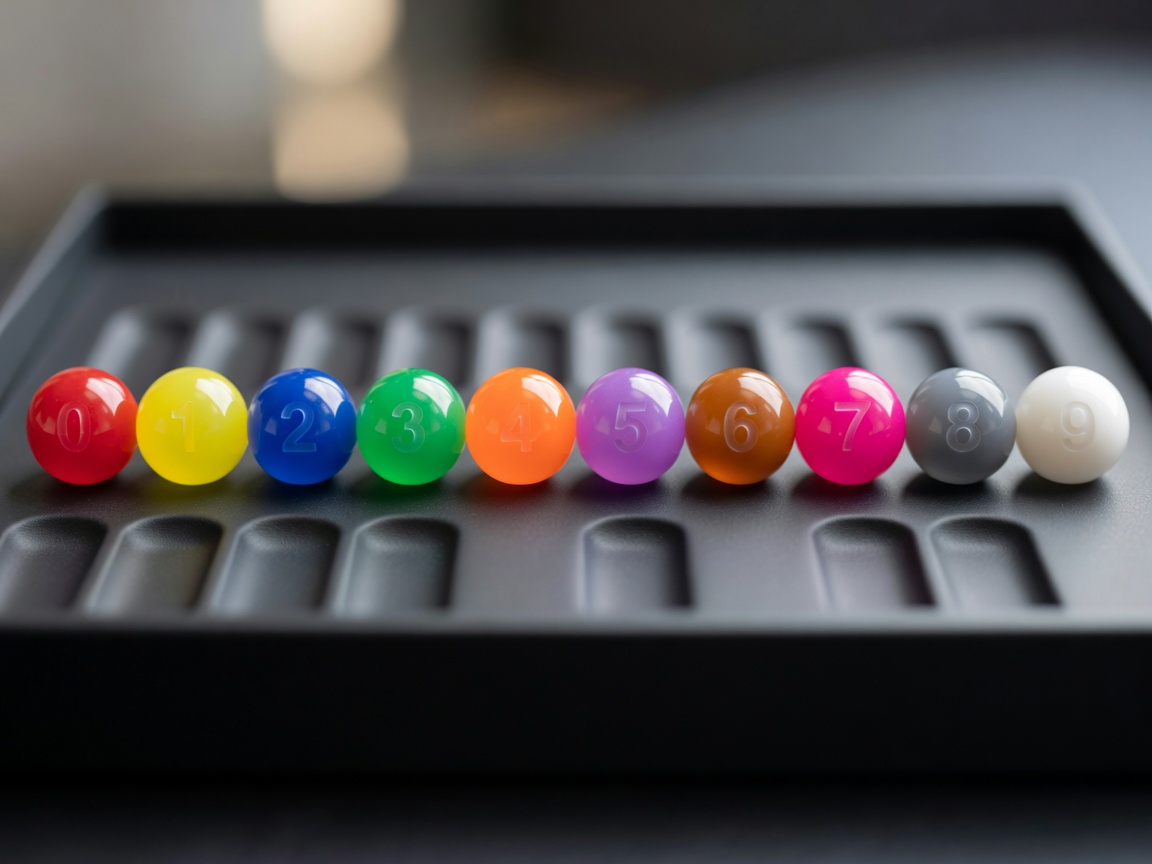
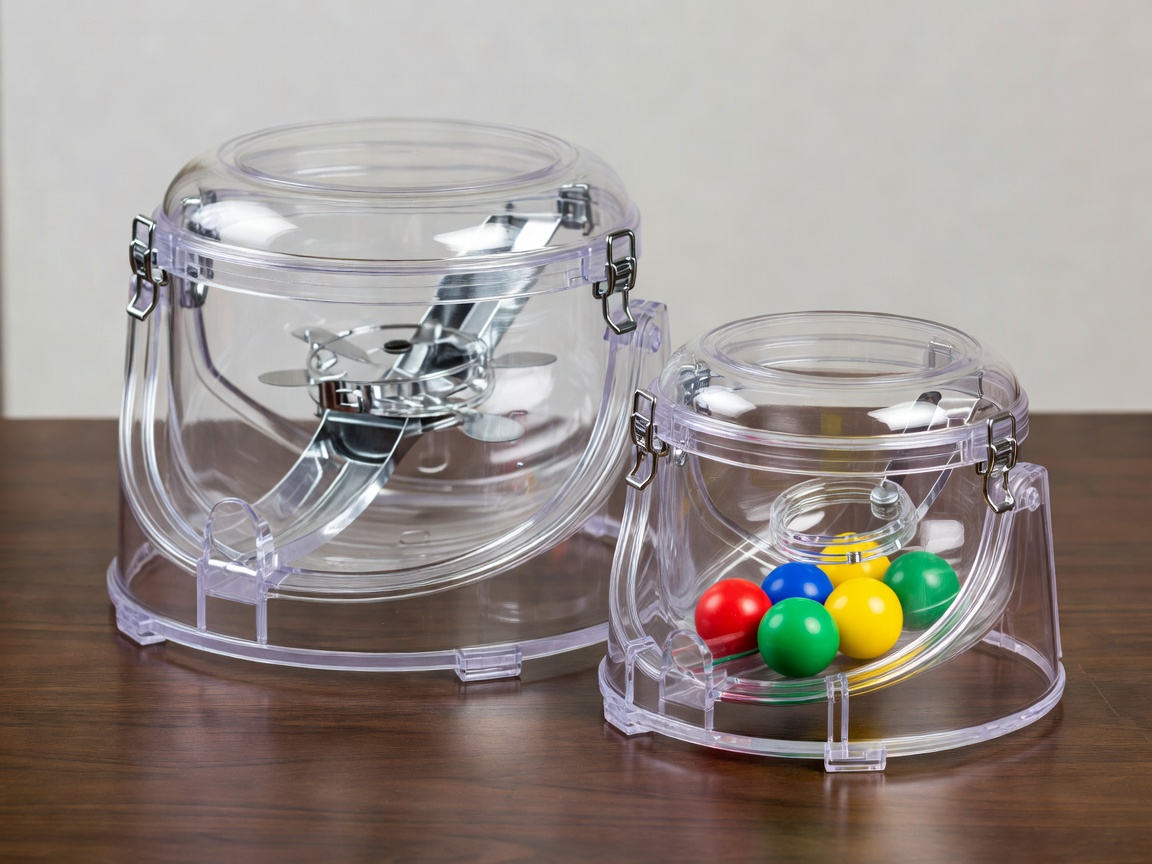
A ticket-number lottery issues a known run of numbers, prints them on tickets and sells those tickets. On draw day, winning numbers are selected from the same run, often by drawing one ball per digit from separate drums or by drawing numbered balls that represent whole serials. Prizes go to whoever holds the matching tickets.
| Parameter | Typical setting |
|---|---|
| Player choice | None beyond choosing which ticket to buy |
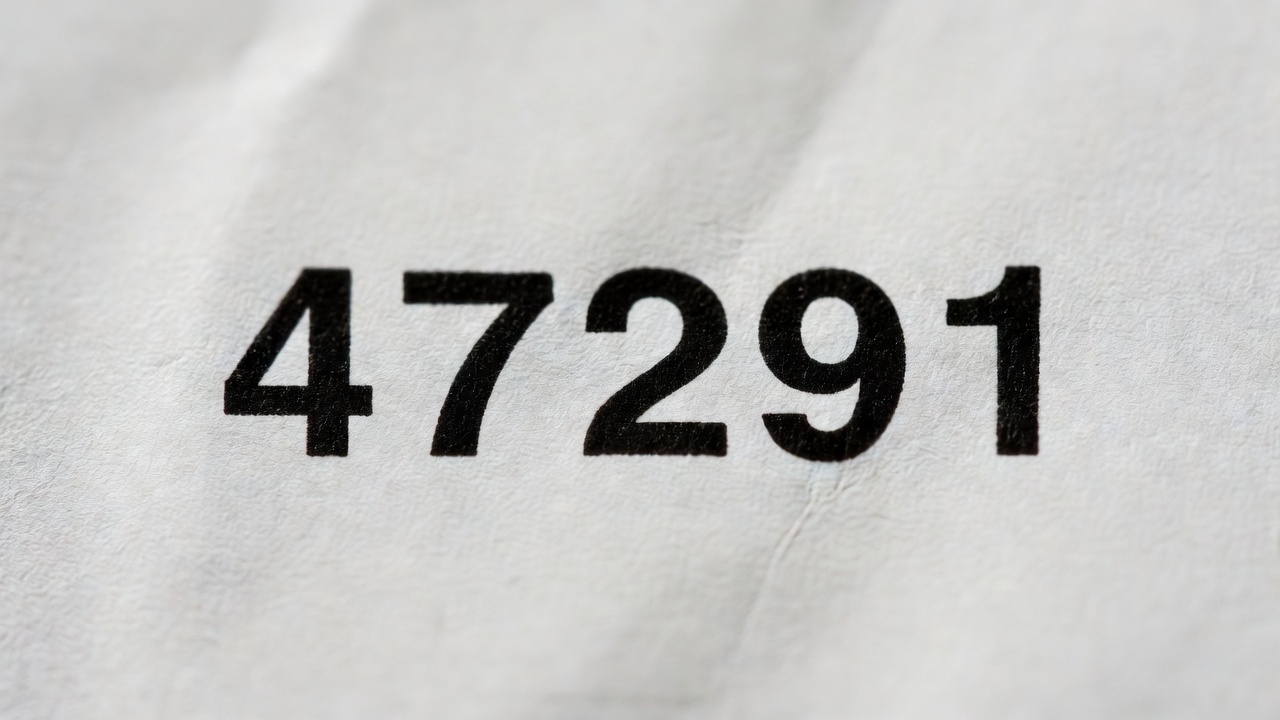
| Number run | Often 5 or 6 digits, e.g. 00000–99999 |
| Copies of each number | One, or several "series" of the full run |
| Prize basis | Full match, plus partial prizes on endings or neighbouring numbers |
| Rollover | Rare; prizes attach to printed numbers |
| Schedule | Weekly, twice monthly, or a single annual special |
Why a finite run changes everything
In a pick-your-numbers game, the operator cannot know in advance whether anyone will match the jackpot, which is why jackpots roll over. In a ticket-number game, every possible winning number exists as a physical ticket before the draw. If all tickets are sold, every prize will have a holder. That is why this format suits large, fixed prize tables and once-a-year events.
The odds are also unusually transparent. If 100,000 numbers are issued once each and one number wins the first prize, a single ticket has a 1 in 100,000 chance. Holding ten tickets gives ten chances in 100,000. No combinatorics are needed; the chance is tickets held divided by tickets issued.
Partial prizes are built on the digits. A common device rewards tickets whose final digit, final two digits or final three digits match those of a top prize. Another rewards numbers immediately above and below a big winner. Each device creates thousands of smaller winners from a single draw without extra machinery.
Series and fractions: the Spanish model
Spain's Lotería Nacional is the textbook case, and its Christmas draw, Sorteo Extraordinario de Navidad, usually held on 22 December, is the best-known ticket-number event in the world. Its history is generally traced back to a draw held in Cádiz in 1812. Children from Madrid's Colegio de San Ildefonso sing the winning numbers and prizes during the draw, which is broadcast nationally.
The Christmas draw issues numbers from 00000 to 99999, and each number is printed in multiple series. Every full ticket (a billete) is divided into ten fractions called décimos, which are what most people actually buy. The result is that a single winning number is held by many people at once, often clustered in one town where a local outlet sold a whole run of it. Sharing décimos among family, colleagues and clubs is a large part of the tradition.
Spain's draws also include the reintegro: a ticket whose final digit matches the final digit of the first prize receives its stake back. Because one in ten numbers ends in any given digit, about a tenth of tickets win at least a refund.
Ticket-number draws on file
| Draw | Where | Number run | Notable feature |
|---|---|---|---|
| Christmas draw (El Gordo) | Spain | 5 digits, multiple series | Décimos, reintegro refunds, sung draw |
| Government lottery | Thailand | 6 digits | Draws usually on the 1st and 16th of each month; prizes on leading and trailing digits |
| Premium Bonds prize draw | United Kingdom | Bond numbers | Monthly draw; savings product where capital is returned, not a lottery ticket |
| Society and charity raffles | Many countries | Sequential stubs | Small, fixed number of tickets; regulated locally |
The UK's Premium Bonds, issued by National Savings and Investments since 1956, are included because their draw is a pure ticket-number mechanism: each bond carries a number, and the machine known as ERNIE has selected winning numbers since 1957. The product itself is different, though. Holders can cash in their bonds, so the "stake" is the interest forgone rather than the money paid.
Ticket-number elements also appear inside other formats. Raffle codes printed on some EuroMillions tickets in the UK and France are small ticket-number draws attached to a two-pool game, with odds that depend on how many tickets are sold for that draw.
The raffle stub: the format at its smallest
A book of raffle tickets shows the whole format in miniature. Each ticket has a printed number and a matching counterfoil, separated by a perforated line. The buyer keeps one half; the organiser drops the other into a container. Drawing a counterfoil identifies the winner. The total number of tickets is known, so the odds are known exactly.
Small raffles are still lotteries in law. In Great Britain, for example, they fall under the Gambling Act 2005, which sets out categories such as small society lotteries and incidental lotteries held at events, each with its own conditions. Other countries regulate raffles differently, and organisers should check the rules that apply locally.
This panel explains structure only. It does not recommend buying tickets in any draw. Players must be adults under local law, and the same responsible-play principles apply to raffles as to any lottery.
Terms used in ticket-number rules
- Serial number
- The pre-printed number that identifies an entry.
- Series
- One complete printing of the full number run; some draws print several.
- Fraction / décimo
- A share of a full ticket, sold separately; prizes are divided accordingly.
- Reintegro
- A refund prize for matching the final digit of the first prize, used in Spanish draws.
- Approximation prizes
- Prizes for numbers immediately before or after a top winning number.
- Counterfoil
- The stub retained by the organiser in a raffle, matching the buyer's ticket.